
Katalin Hetey was one of the most significant sculptors in 20th-century Hungarian art. She began her studies at the age of sixteen at the summer art colony in Miskolc and later continued at the Hungarian University of Fine Arts in Budapest, where she studied painting under István Szőnyi. After graduating, in 1947 she became a teacher at the School of Fine Arts and won the Young Artists’ Award the same year. Some of her early works are preserved in the Hungarian National Gallery.
In 1956, she left Hungary and spent a year in Italy, residing in Rome and on the island of Ischia near Capri, where she was exposed to various cultural influences. During this time, she met several notable figures, including the English poet W.H. Auden, Alberto Burri (a precursor of Arte Povera), Marino Marini, and Ferenc Fejtő and his wife, Rózsi, who helped her settle in Paris the following year. While in France, she initially supported herself through graphic design commissions, newspaper, and book illustrations. In 1958, she participated in a competition organized by The National Bible Society of Scotland in Edinburgh with her Bible illustrations, which were later exhibited in New York in 1959. That same year, she embarked on a study trip to Spain and joined the Cercle Culturel de Royaumont, an esteemed international foundation of artists, scholars, critics, and art theorists based at the former medieval Royaumont Abbey. In 1961, she became a drawing teacher at Hector Berlioz High School in Vincennes, where she met her future husband, Tamás Konok.
Her first solo exhibition was held in 1962 at Galerie Lambert. In 1963, she received a fellowship from the Hartford Foundation, which allowed her to work in California and New York for a year. During this time, she exhibited at The Potter’s House Gallery in Washington and the Silvan Simone Gallery in Los Angeles. Hetey was a regular participant in the art market in France and Switzerland, with her works showcased in solo and group exhibitions at Galerie Schlégl and Galerie Lambert, among others. Her first institutional exhibition took place in 1964 at the Stedelijk Museum in Amsterdam.
For Hungarian audiences, Hetey Katalin is primarily known for the clear-form, three-dimensional, movable sculptures she created in the last third of her career. In her exhibitions in Hungary, she often presented these geometric sculptures made of steel blocks and brass plates, which belong to the realm of concrete art. However, it is important to emphasize that her consistent body of work, developed over decades spent on the Paris-Zürich-Budapest axis, began with a long and intense period of painting. This aspect of her work was somewhat overshadowed by the richly unfolding painterly oeuvre of her partner, Tamás Konok. Hetey’s painting program was based on the semi-conscious, semi-instinctive abstraction of motifs from built heritage and found natural or industrial forms. During her early career, particularly during her stay in Italy, she became acquainted with the defining artists of Arte Povera.
The artistic influences she absorbed during this period, shortly after moving to Paris, melded into a unified artistic language influenced by the École de Paris, French informel, and L’Art Brut. Her abstract paintings from the 1960s and 1970s, created within the orbit of the École de Paris, included “geometric scribbles” and unique graphics reflecting the influence of surrealism. Starting in 1963, she created collages from crumpled paper and exhibited crumpled castings found in a metal foundry. These early works demonstrate her understanding of Arte Povera aesthetics and can be compared to the pioneering works of César, who created crumpled sculptures and was associated with the Nouveaux Réalistes. Hetey’s crumpled sculptures hold significant value in an international context and are considered masterpieces of “Hungarian Arte Povera.” Moreover, these works played a crucial role in her artistic development, leading her to explore “chaos theory,” which influenced her art for over a decade. Hetey’s work was built on the synthesis of organic and geometric thinking, drawing from both automatic writing fueled by the subconscious and scientific analysis. Her spatial compositions created from geometric forms depict the relationships between part and whole, movement and energy, and contrast positive and negative forms, illustrating the resulting light-shadow effects.
Hetey continually showcased her works in solo and group exhibitions across Europe, the USA, and Hungary. Her first retrospective was presented in 2005 at the City Art Museum in Győr, followed by exhibitions at the Vasarely Museum in Budapest and the Hungarian University of Fine Arts. One of her last exhibitions was held in March 2010 at the Contemporary Hungarian Gallery in Dunaszerdahely, titled “Parallel Biographies,” which she co-directed with her husband, painter Tamás Konok. Her legacy is managed by the Konok-Hetey Foundation, and her work is represented in both the Hungarian and international art markets by Einspach & Czapolai Fine Art. In 2022, the gallery organized a highly successful exhibition of Hetey’s works at the Art and Antique Fair, where, in addition to private collectors, the Museum of Fine Arts – Hungarian National Gallery also acquired some of the exhibited pieces. In the autumn of 2024, Einspach & Czapolai Fine Art plans to celebrate the 100th anniversary of Katalin Hetey’s birth with a major exhibition.
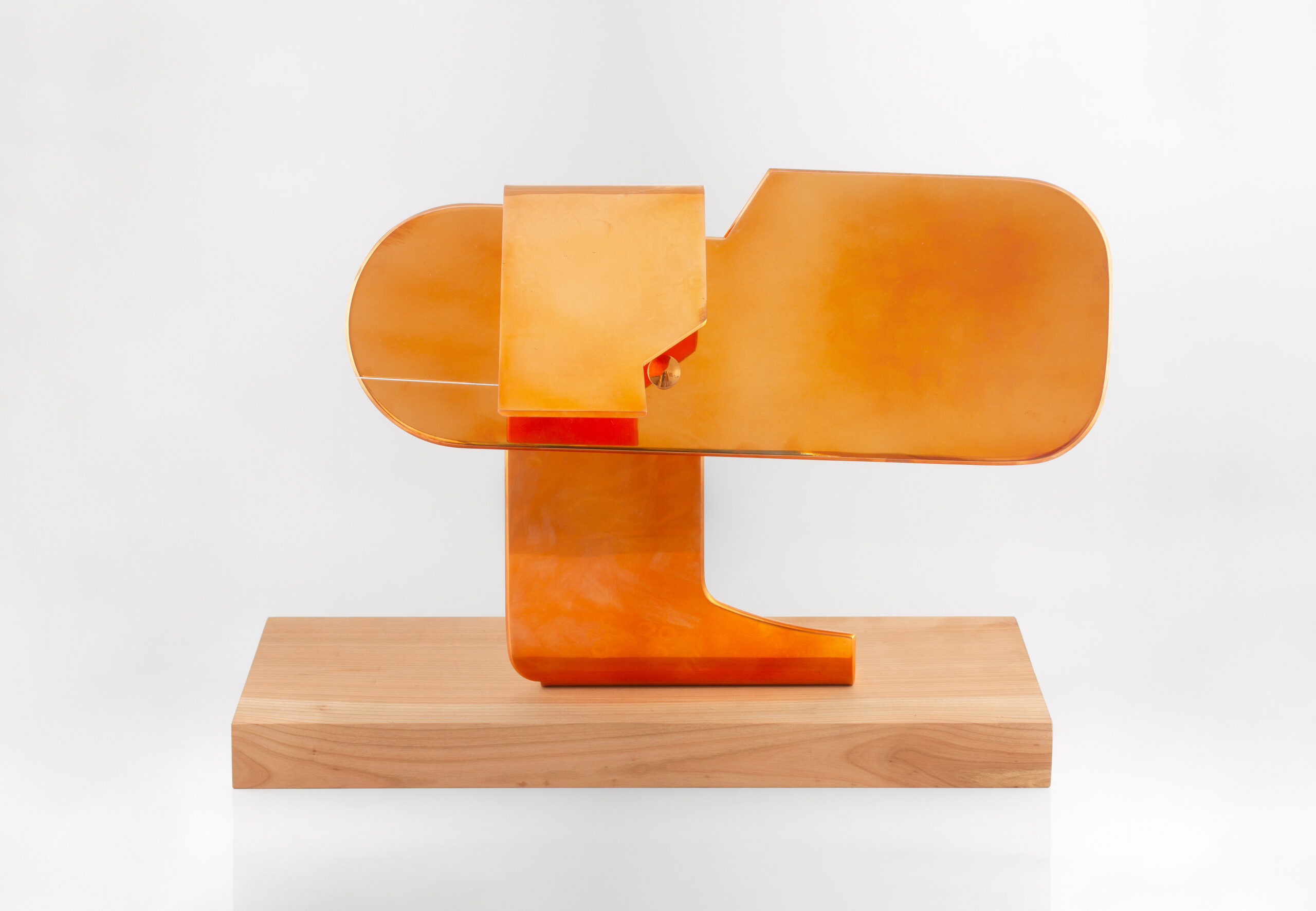
Katalin Hetey
Sign in double bend, 1981/2022
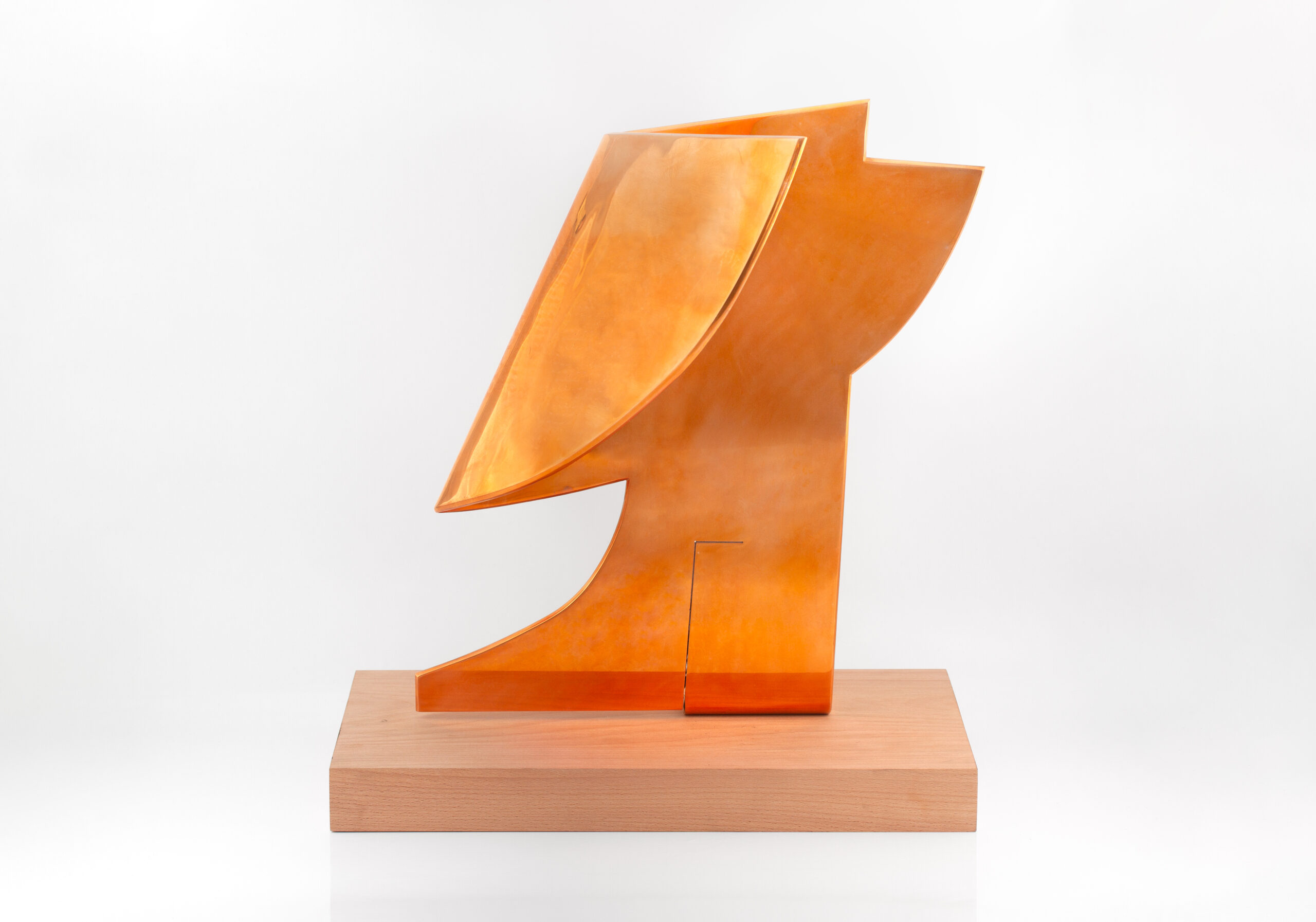
Katalin Hetey
Sign, 1981/2022
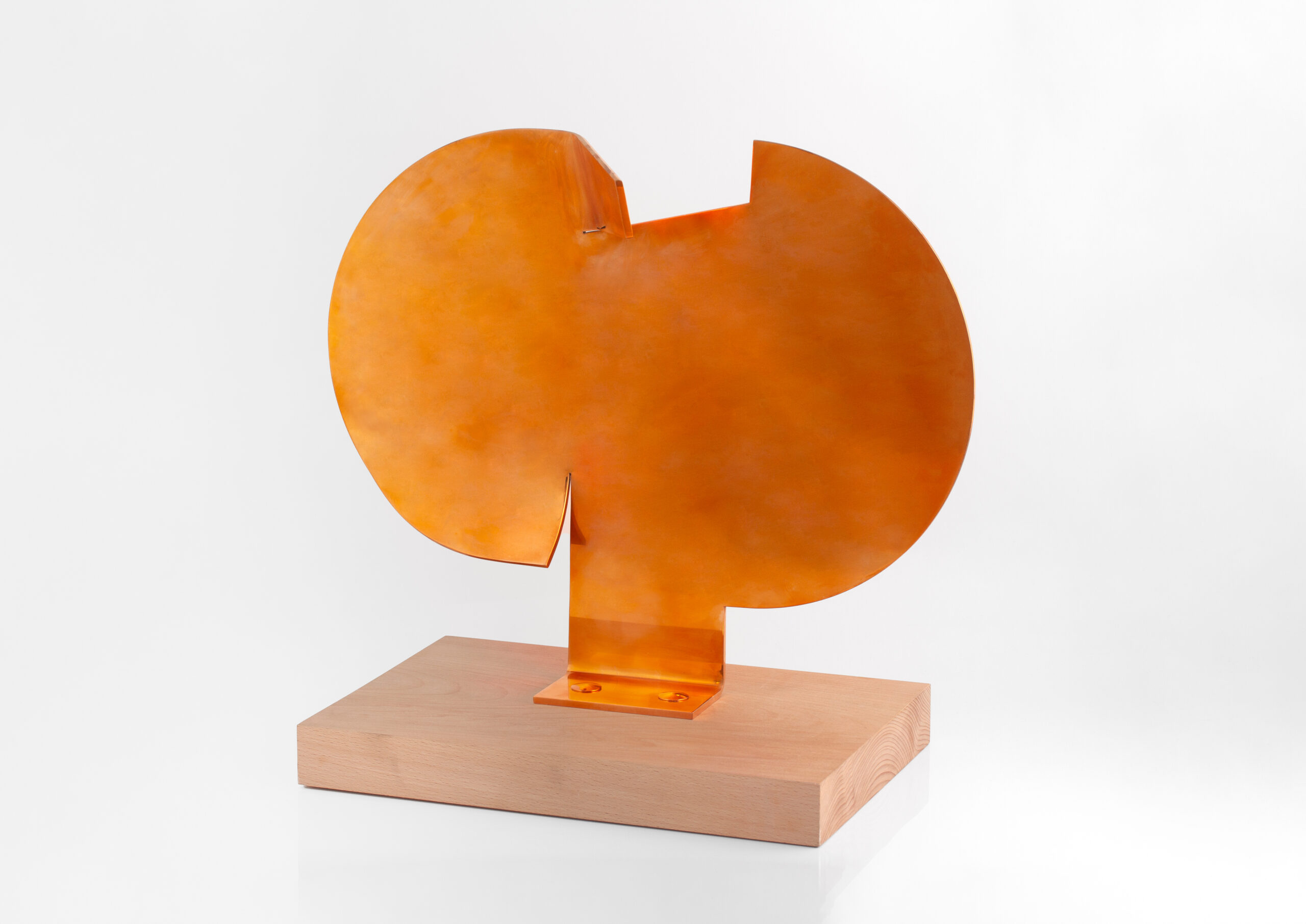
Katalin Hetey
Soft Sign, 1981/2022

Katalin Hetey
Motions, 1982